

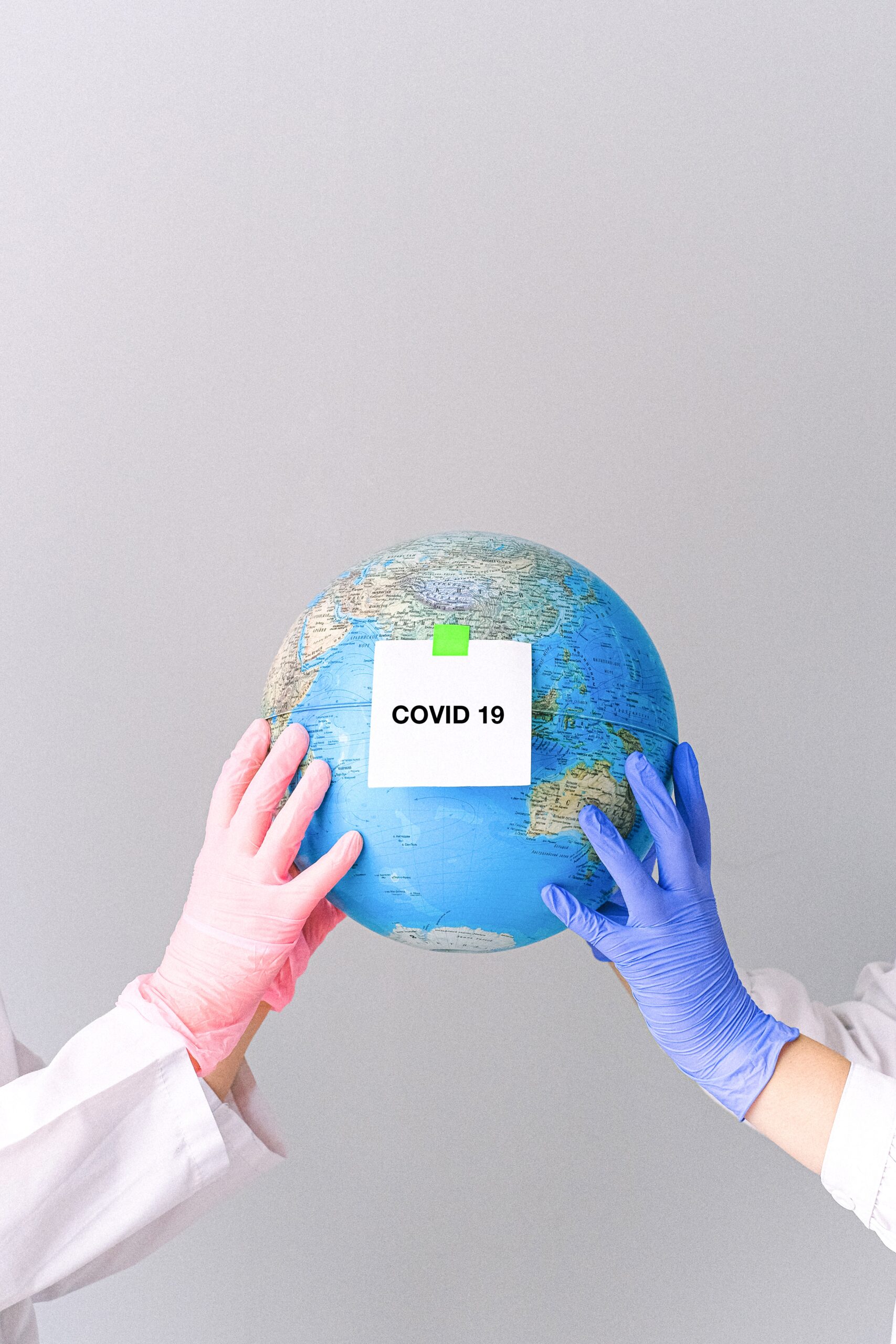
Film and television production industry was brought to a grinding halt amid the coronavirus outbreak. The impact was felt around the world from Hollywood to Bollywood and beyond. Most countries decided to merely postponed production as they waited for the outcomes has pandemic’s death march. While other companies try to become a bit more creative allowing their cast members to work from home.
In Asia, Japan allowed a handful of anime studios to have their employees to work from home upon the commencement of the outbreak. But as time went on many shows went on hiatus and only a few anime series completed production as of May 9th 2020. In the Philippines, GMA News TV and CNN Philippines announced that they were temporarily going off-the-air as of March 19th 2020. The 2 networks did return a few days later. And in South Korea many of it’s shows continued production as planned but reality shows like SBS’ Running Man were suspended and live audiences on shows like MBC’s King of Mask Singer were cut down in size to honor social distancing. K-pop music shows KBS 2TV’s Music Bank, SBS MTV’s The Show, MBC’s Show! Music Core, Mnet’s M Countdown, and SBS’s Inkigayo accepted no live audiences and used pre-recorded screaming and clapping tracks instead.
Meanwhile here in the U.S. most shows went on hiatus and live talk shows remained on the air but had their hosts, guest panelists and other participants working from home via web-based video conferencing tools like Zoom or Skype. Canada, the U.K. also joined suit but have opened their studio doors a bit faster than their English speaking counterparts, (U.S. and Australia).
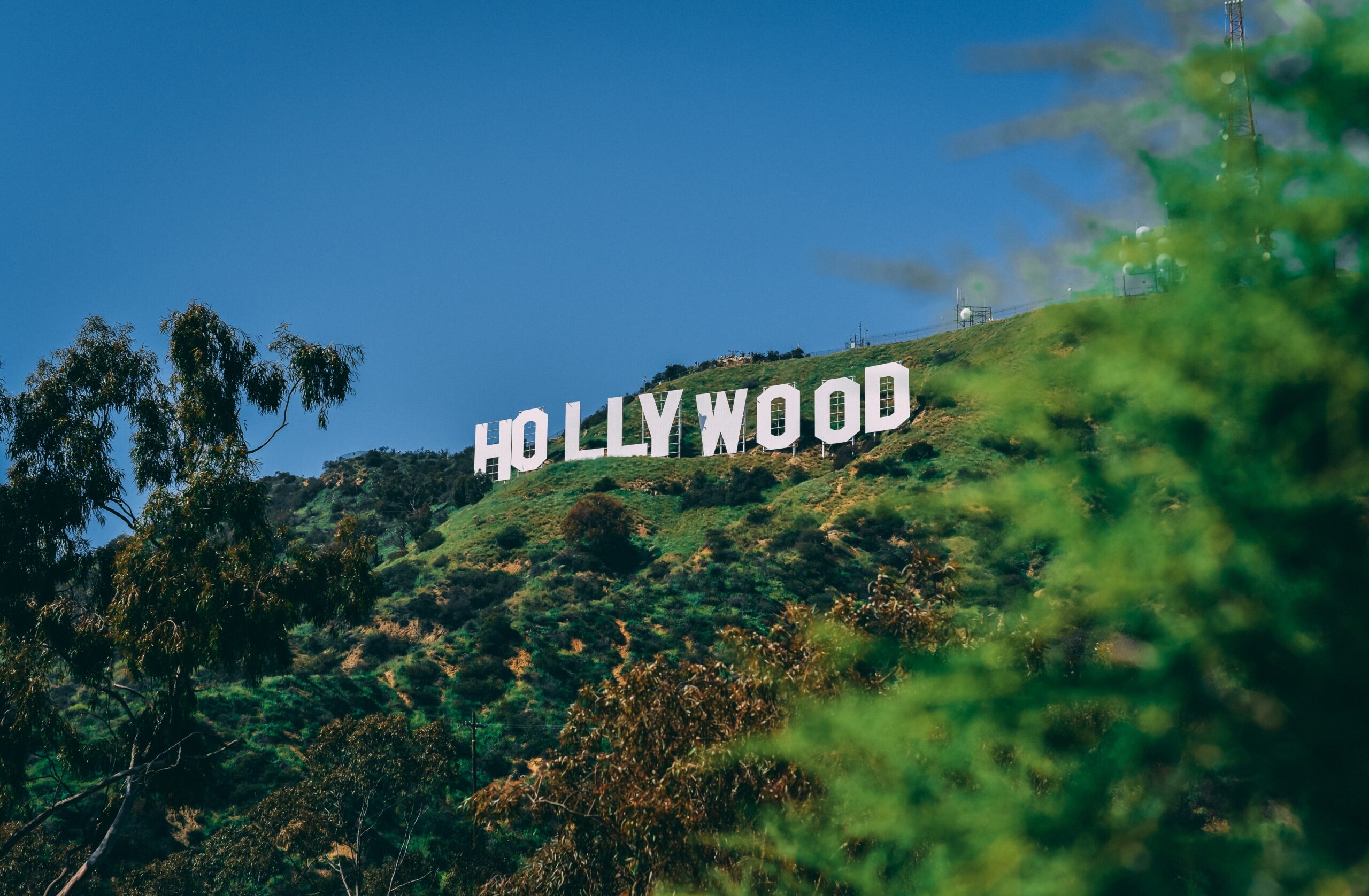 In the U.S. the film & TV production shutdown created disastrous results, New York reported close to 76,000 people were unemployed. Motion Picture Association Chairman and Chief Executive, Charles Rivkin stated that, “In the United States alone, the film, television and streaming industry supports 2.5 million jobs and 93,000 small businesses — 87 percent of which employ fewer than 10 people,” Hollywood presses on, and on June 5th California’s Governor Gavin Newsom released the long-awaited guidelines for the restarting of film and TV production. Though music, TV and film production may begin again after June 12th as long as there are attestations per county. L.A. county must meet all guidelines prior to re-opening for business.
In Atlanta Terry Perry studios announced on May 12 that it plans to begin the production of “Sistas” on July 8th and “The Oval” three weeks after that. Perry has scaled back production crews and will be tested before entering the studio and before production begins. Every cast and crew member will be required to wear protective masks (PPE). Perry even has a plan for filming group scenes and meals/craft services. Perry has spared no expense for keeping everyone safe. Out-of-town cast members will be flown in on Perry’s private jet and cast and crew will live on campus since the studio is a decommissioned U.S. Army compound. And the cost keeps accumulating due to the new shorter shooting days which will generate longer shooting schedules, and everyone will be put in quarantine. More breaks will be implemented for temperature readings and further COVID-19 testing. And trained cleaning crews will be brought in to disinfect areas regularly. This is the new norm for Tyler Perry studios. Will it work and be profitable? We will have to wait and see.
In the U.S. the film & TV production shutdown created disastrous results, New York reported close to 76,000 people were unemployed. Motion Picture Association Chairman and Chief Executive, Charles Rivkin stated that, “In the United States alone, the film, television and streaming industry supports 2.5 million jobs and 93,000 small businesses — 87 percent of which employ fewer than 10 people,” Hollywood presses on, and on June 5th California’s Governor Gavin Newsom released the long-awaited guidelines for the restarting of film and TV production. Though music, TV and film production may begin again after June 12th as long as there are attestations per county. L.A. county must meet all guidelines prior to re-opening for business.
In Atlanta Terry Perry studios announced on May 12 that it plans to begin the production of “Sistas” on July 8th and “The Oval” three weeks after that. Perry has scaled back production crews and will be tested before entering the studio and before production begins. Every cast and crew member will be required to wear protective masks (PPE). Perry even has a plan for filming group scenes and meals/craft services. Perry has spared no expense for keeping everyone safe. Out-of-town cast members will be flown in on Perry’s private jet and cast and crew will live on campus since the studio is a decommissioned U.S. Army compound. And the cost keeps accumulating due to the new shorter shooting days which will generate longer shooting schedules, and everyone will be put in quarantine. More breaks will be implemented for temperature readings and further COVID-19 testing. And trained cleaning crews will be brought in to disinfect areas regularly. This is the new norm for Tyler Perry studios. Will it work and be profitable? We will have to wait and see.
 One key ingredient that any TV or film production cannot do without is insurance. This will be a definite issue for production houses. How can any TV or film company acquire insurance amidst a pandemic? If a U.S. production is fortunate enough to get approval for insurance, what will be the cost? Canada has recently proposed a solution, they asked the federal government to serve as a backstop for COVID-19 insurance claims. They’re not the only ones, New York congresswoman, Carolyn Maloney introduced the same type of bill in May. If these bills pass the government will absorb a larger percent of coronavirus-related losses at a capped amount. The insurance companies would then pay a much smaller amount. Insurers are not so eager to embarrass this bill and there will be a lot of negotiations in the upcoming weeks ahead.
On the wings of finding an insurance solution on June 5th the UK has released a 34-page document, titled ‘Working Safely During COVID-19 in Film and High-end TV Drama Production’. The document can be found HERE.
One key ingredient that any TV or film production cannot do without is insurance. This will be a definite issue for production houses. How can any TV or film company acquire insurance amidst a pandemic? If a U.S. production is fortunate enough to get approval for insurance, what will be the cost? Canada has recently proposed a solution, they asked the federal government to serve as a backstop for COVID-19 insurance claims. They’re not the only ones, New York congresswoman, Carolyn Maloney introduced the same type of bill in May. If these bills pass the government will absorb a larger percent of coronavirus-related losses at a capped amount. The insurance companies would then pay a much smaller amount. Insurers are not so eager to embarrass this bill and there will be a lot of negotiations in the upcoming weeks ahead.
On the wings of finding an insurance solution on June 5th the UK has released a 34-page document, titled ‘Working Safely During COVID-19 in Film and High-end TV Drama Production’. The document can be found HERE.
 The British Film Commission is ready and waiting to take on productions and the UK government has given them the green light. These guidelines somewhat mirror the precautionary steps taken by Tyler Perry Studios but no one can really be sure of the outcomes until productions go forth.
All these outlooks seem rather expensive and shaky but Discovery Inc is reassessing how they do business. Discovery wanted to keep new content rolling in during the pandemic so they mailed cameras, tripods and other pieces of equipment to presenters and other on-air staff and asked them to record content for the network’s home. This included food and do-it-yourself shows, for TLC, HGTV, Food Network and DIY. Some on-air talent actually used their own iPhones or GoPro cameras to serve the cause. By doing this Discovery Inc. realized they were saving $300,00 for every hour shot from home for each of their networks. These savings may help offset projected pitfalls that Discovery expects in the upcoming quarters. Discovery may actually prevail by continuing to create non-scripted content and using file-sharing and cloud-based streaming technology. These cost cutting tactics will probably become the new norm for Discovery as well as for other companies.
This pandemic has caused every film and TV executive to think outside the box: and necessity is the mother of invention so in the next few years we will see how TV programming and the movie industry pans out. What used to be a dog-eat-dog industry has now just become survival of the fittest.
The British Film Commission is ready and waiting to take on productions and the UK government has given them the green light. These guidelines somewhat mirror the precautionary steps taken by Tyler Perry Studios but no one can really be sure of the outcomes until productions go forth.
All these outlooks seem rather expensive and shaky but Discovery Inc is reassessing how they do business. Discovery wanted to keep new content rolling in during the pandemic so they mailed cameras, tripods and other pieces of equipment to presenters and other on-air staff and asked them to record content for the network’s home. This included food and do-it-yourself shows, for TLC, HGTV, Food Network and DIY. Some on-air talent actually used their own iPhones or GoPro cameras to serve the cause. By doing this Discovery Inc. realized they were saving $300,00 for every hour shot from home for each of their networks. These savings may help offset projected pitfalls that Discovery expects in the upcoming quarters. Discovery may actually prevail by continuing to create non-scripted content and using file-sharing and cloud-based streaming technology. These cost cutting tactics will probably become the new norm for Discovery as well as for other companies.
This pandemic has caused every film and TV executive to think outside the box: and necessity is the mother of invention so in the next few years we will see how TV programming and the movie industry pans out. What used to be a dog-eat-dog industry has now just become survival of the fittest.
In the U.S. the film & TV production shutdown created disastrous results, New York reported close to 76,000 people were unemployed. Motion Picture Association Chairman and Chief Executive, Charles Rivkin stated that, “In the United States alone, the film, television and streaming industry supports 2.5 million jobs and 93,000 small businesses — 87 percent of which employ fewer than 10 people,” Hollywood presses on, and on June 5th California’s Governor Gavin Newsom released the long-awaited guidelines for the restarting of film and TV production. Though music, TV and film production may begin again after June 12th as long as there are attestations per county. L.A. county must meet all guidelines prior to re-opening for business.
In Atlanta Terry Perry studios announced on May 12 that it plans to begin the production of “Sistas” on July 8th and “The Oval” three weeks after that. Perry has scaled back production crews and will be tested before entering the studio and before production begins. Every cast and crew member will be required to wear protective masks (PPE). Perry even has a plan for filming group scenes and meals/craft services. Perry has spared no expense for keeping everyone safe. Out-of-town cast members will be flown in on Perry’s private jet and cast and crew will live on campus since the studio is a decommissioned U.S. Army compound. And the cost keeps accumulating due to the new shorter shooting days which will generate longer shooting schedules, and everyone will be put in quarantine. More breaks will be implemented for temperature readings and further COVID-19 testing. And trained cleaning crews will be brought in to disinfect areas regularly. This is the new norm for Tyler Perry studios. Will it work and be profitable? We will have to wait and see.
One key ingredient that any TV or film production cannot do without is insurance. This will be a definite issue for production houses. How can any TV or film company acquire insurance amidst a pandemic? If a U.S. production is fortunate enough to get approval for insurance, what will be the cost? Canada has recently proposed a solution, they asked the federal government to serve as a backstop for COVID-19 insurance claims. They’re not the only ones, New York congresswoman, Carolyn Maloney introduced the same type of bill in May. If these bills pass the government will absorb a larger percent of coronavirus-related losses at a capped amount. The insurance companies would then pay a much smaller amount. Insurers are not so eager to embarrass this bill and there will be a lot of negotiations in the upcoming weeks ahead.
On the wings of finding an insurance solution on June 5th the UK has released a 34-page document, titled ‘Working Safely During COVID-19 in Film and High-end TV Drama Production’. The document can be found HERE.
The British Film Commission is ready and waiting to take on productions and the UK government has given them the green light. These guidelines somewhat mirror the precautionary steps taken by Tyler Perry Studios but no one can really be sure of the outcomes until productions go forth.
All these outlooks seem rather expensive and shaky but Discovery Inc is reassessing how they do business. Discovery wanted to keep new content rolling in during the pandemic so they mailed cameras, tripods and other pieces of equipment to presenters and other on-air staff and asked them to record content for the network’s home. This included food and do-it-yourself shows, for TLC, HGTV, Food Network and DIY. Some on-air talent actually used their own iPhones or GoPro cameras to serve the cause. By doing this Discovery Inc. realized they were saving $300,00 for every hour shot from home for each of their networks. These savings may help offset projected pitfalls that Discovery expects in the upcoming quarters. Discovery may actually prevail by continuing to create non-scripted content and using file-sharing and cloud-based streaming technology. These cost cutting tactics will probably become the new norm for Discovery as well as for other companies.
This pandemic has caused every film and TV executive to think outside the box: and necessity is the mother of invention so in the next few years we will see how TV programming and the movie industry pans out. What used to be a dog-eat-dog industry has now just become survival of the fittest.
